Solomon Islands Launches National Export Policy Workshop to Boost Trade and Economic Growth
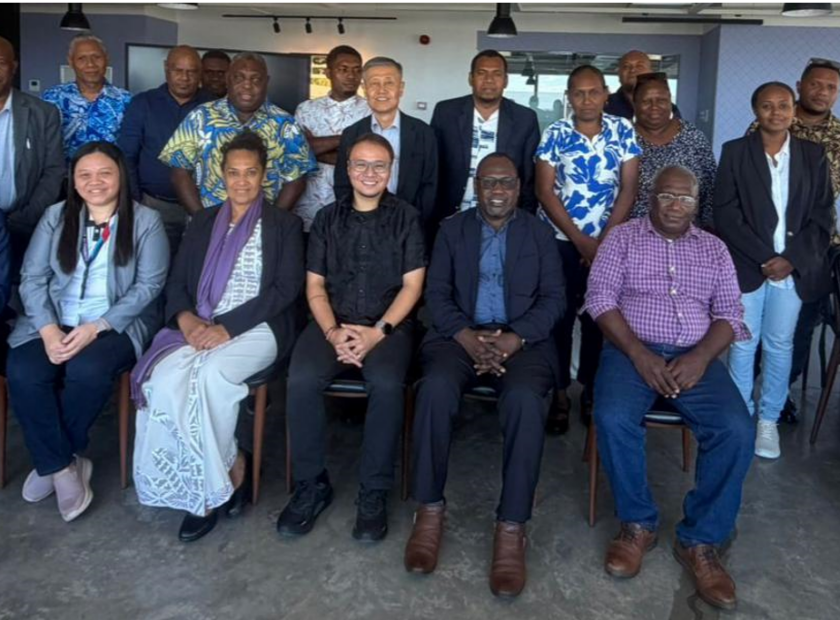
Honiara, [12th Sept] – The Ministry of Commerce, Industry, Labour and Immigration (MCILI), in collaboration with key stakeholders, hosted a National Export Policy (NEP) workshop today in Honiara. The event marks a significant milestone in advancing the Solomon Islands’ efforts to strengthen its trade and economic development.
The National Export Policy is part of the Government’s 100 Days Program under the GNUT administration. Guided by the policy statement, “Advance Export Policy Framework towards Development of National Export Policy,” the initiative is supported through the Pacific Islands Forum Secretariat (PIFS) under the EU-SPIRIT program, with input from the Ministry of Foreign Affairs.
The NEP was born from the National Trade Policy, which emphasized the need for diversification and the development of well-designed, coordinated sector policies to promote export growth. MCILI is leading the action plan to assist exporters in accessing markets, improving competitiveness, and strengthening the country’s trade position.
Like many Small Island Developing States (SIDS), the Solomon Islands continues to face supply-side challenges, including limited infrastructure, high transportation costs, and a lack of value-added processing facilities. These constraints hinder consistent participation in international markets. However, the NEP presents an opportunity to respond to these challenges and diversify the nation’s export portfolio.
Speaking at the event, MCILI representatives emphasized that the Solomon Islands, with its rich natural resources and strategic location in the Pacific, has vast potential to expand its exports. With a population of over 700,000 and proximity to major markets such as Australia and New Zealand, the country is well-positioned to meet growing regional demand for high-quality products.
“The National Export Policy is designed to diversify our export base, promote high value-added industries, and build long-term economic resilience,” said an MCILI spokesperson. “By addressing critical issues such as over-reliance on unsustainable logging and mining, regulatory barriers, and logistical constraints, the policy seeks to secure sustainable growth, generate foreign earnings, create jobs, and enhance stability in the global marketplace.”
The workshop provided a platform for government officials, private sector representatives, and development partners to engage in meaningful dialogue on strategies to strengthen Solomon Islands’ export sector, ensuring it continues to contribute significantly to economic growth and national prosperity.